

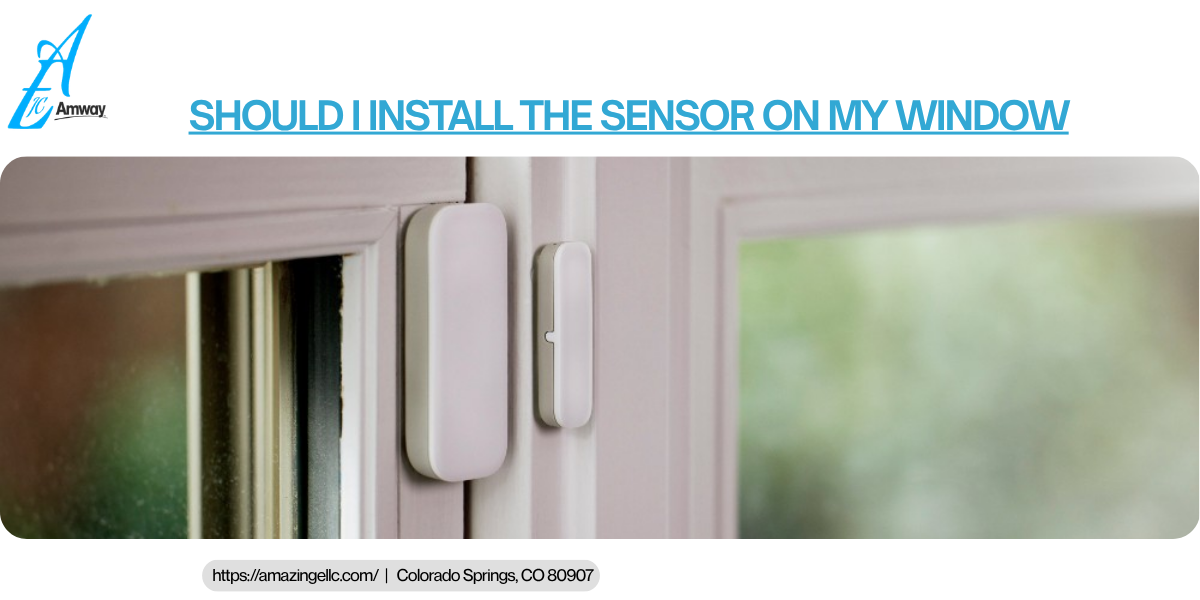
Window sensor installation involves placing a magnetic contact on the window frame and its matching magnet on the moving sash, keeping them within a 1/2 to 1 inch gap. Door and window sensor placement guidelines recommend targeting vulnerable areas, aligning the pieces, checking the gap, and cleaning the surfaces before pressing firmly on the glass. Easy tool-free setup offers real-time smartphone alerts and early intrusion detection, providing safety by monitoring entry points.
Best Placement Locations for Glass Sensors
Ground Floor/Basement Windows
Mount on ground floor or basement windows, as these are the most common targets for break-ins.
Easily Accessible Upper Floor Windows
Secure upper-floor windows if they sit near a tree, roof, or balcony.
Every Vulnerable Entryway
Cover every window or large door that opens outwards or slides.
Consider installing in areas like
- Living rooms
- Sunrooms
- Commercial Storefronts
- Conference rooms
Positioning by Window Types
Double-Hung and Side-Hung Windows
- Mount one centralized acoustic sensor on the opposite wall or ceiling of the room to cover multiple double-hung units simultaneously.
- For layered security, combine your room’s glass break detector with a magnetic contact sensor palace and don the upper or lower sash to catch physical prying.
Sliding Windows
- Position the glass break sensor on the opposing wall with a direct line of sight to the wider sliding panes.
- If vertical blinds cover the sliding glass, move the detector closer (within 5-10 ft) or mount it directly on the ceiling.
Casement and Awning Crank Windows
- To Monitor My Security Cameras Remotely, ensure that the acoustic sensor is mounted on a stable, rigid surface such as a main room wall or ceiling, and never on a vibrating or movable partition.
- Keep the sensors away from noisy kitchen areas, AC units, or rattling vents that share space with the crank window zones.
- Wind rushing through an open crank window can cause false triggers.
Placement Steps
Preparation and Testing
- Pull the battery tab or insert batteries into the window contact sensor.
- Connect the sensor to your security app or control panel before mounting.
- Before installing, wipe the window frame and pane with rubbing alcohol and let it dry.
Mounting the Sensor
- Place the main sensor body on the stationary window frame.
- Place the magnet on the moving glass or sash
- Make sure the alignment marks or arrows face each other.
- Check the gap. Keep the distance between the sensor and magnet under ½ to 1 inch (check specific brand instructions) when the window is fully closed.
- To secure the sensor, peel the backing from the double-sided tape.
- Press each piece firmly onto the window surface and hold for 30 seconds.
Test the System
- Test the system. Open and close the window when the system is disarmed to verify it registers.
- Listen for chimes in your base station. Check your mobile app to confirm it detects the signals and open and closed states.
Rules For Glass Break Placement
- Place the sensor between 4 and 20 feet from the target window.
- Mount the sensor on the wall or ceiling facing the window.
- Do not place it on the same wall as the window.
- Install units about 6.5 to 8.5 feet above the floor to balance room acoustics and avoid ground-level interference.
- Avoid placing directly behind heavy curtains or blinds that might knock out the sensors when adjusted.
- Test the sensors by arming your system. Open the window to verify the signal is sent.
Benefits of Window Sensors in Colorado
- Early intrusion detection
- Instant updates
- Perimeter defense
- 24/7 monitoring integration
- Reduced false alarms
- Family safety
- Home automation integration
- Climate and energy coordination
Conclusion
Install the larger sensor part on the stationary frame and the smaller magnet part on the moving window sash. Keep them aligned and within half an inch of each other. Installing window security sensors adds an added layer of security, alerting you the moment the window is tampered with.
Whether you need window sensors or a modern home security system, Amazing E LLC offers reliable service and customer-focused solutions tailored to your goals and budget.
FAQs
How to install a window sensor?
Power the device and pair it to your hub. Clean the window surface. Peel the backing and press the main sensor on the stationary frame and the magnet on the moving glass or sash. Make sure the alignment marks face each other.
Which is the best place to place glass break sensors?
The best place to put a glass break sensor is on the ceiling or wall opposite the windows you want to protect, positioned 6.5 to 8 feet high and within 20 to 25 feet of the glass.
Should you put window sensors on the second floor?
Yes, you should put window sensors on the second-floor windows if windows are near a flat roof, balcony, deck, tree, or attached structure that makes them easy to reach with a ladder. Otherwise, standard ground-floor coverage is enough.